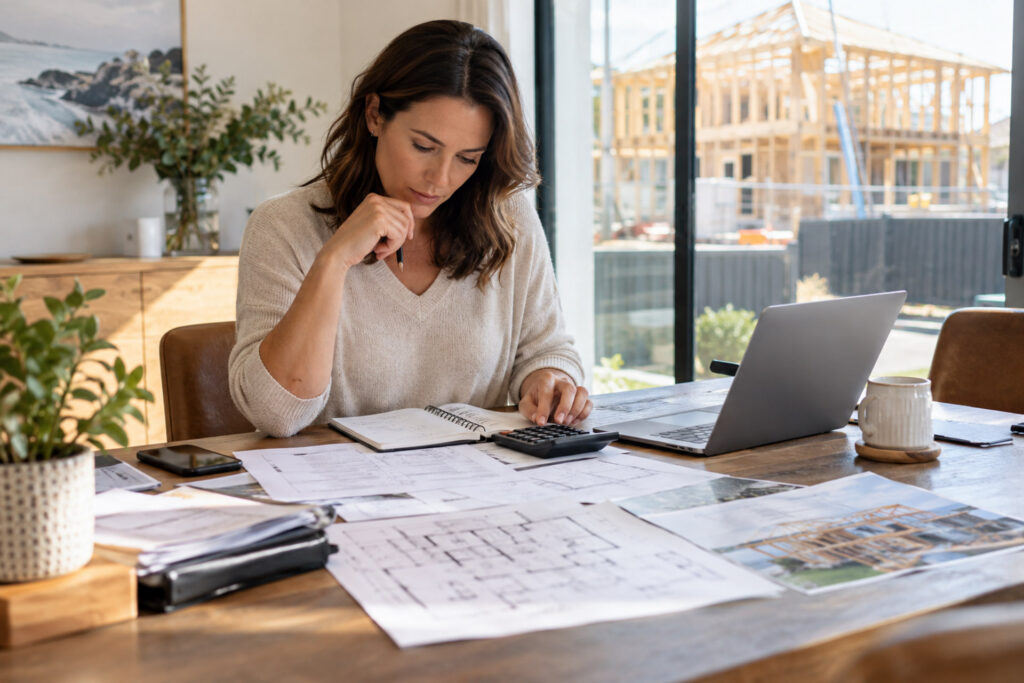
Many early investors reach a point where they start asking whether they should continue investing or move into property development. On paper, both options can make sense. Some even have the financial capacity and skill set to take on development projects. Yet, despite this, they hesitate.
This hesitation is often not about capability. It is about control and the responsibility that comes with it.
Should I Invest or Develop Property?
The answer depends less on opportunity and more on how you approach risk and control.
Property investing, particularly buy-and-hold strategies, often places more reliance on time and market growth. You purchase an asset and allow it to appreciate over time, with less direct involvement in the outcome.
Property development, on the other hand, involves taking a more active role. You are making decisions that directly influence the success of the project. This can create both opportunity and pressure.
Why Do Some Investors Avoid Property Development?
Many investors who could potentially develop choose not to.
This is often due to:
- The responsibility tied to the outcome
- The need to make key decisions throughout the project
- The perception of higher risk
Even when the financial capacity and skills are present, the shift in responsibility can create hesitation.
What Is the Difference Between Control and Comfort?
A key distinction between investing and developing is control.
With investing:
- You rely more on external factors like market growth
- The process can feel more passive
- There is less day-to-day involvement
With development:
- You take a more active role in decision-making
- Outcomes are more directly influenced by your actions
- Responsibility for success increases
Some people prefer the comfort of a passive approach, while others are willing to take on more control.
Is Property Development More Risky?
Property development is often seen as more risky, but this depends on how risk is defined.
It can involve:
- More moving parts
- Greater financial exposure
- Increased responsibility
However, it also provides more control over the outcome compared to relying solely on market conditions.
Risk in this context is not just about potential loss — it is also about how much responsibility you are willing to take on.
Why Mindset Plays a Bigger Role Than Strategy
Many people assume the decision between investing and developing is purely strategic.
In reality, mindset plays a significant role.
Questions that often come up include:
- Am I ready to take full responsibility for a project?
- Do I prefer relying on time or taking action?
- How comfortable am I making decisions that affect outcomes?
These factors can influence decisions just as much as financial capability.
When Does Development Start to Make Sense?
Development may become an option when:
- You have the financial capacity to manage the project
- You understand the process and associated risks
- You are comfortable taking on a more active role
It is not necessarily about replacing investing, but about expanding your approach when it aligns with your situation.
Why Some People Stay Stuck Between the Two
A common situation is being caught between investing and developing.
This often happens when:
- The opportunity is there
- The capability exists
- But the responsibility feels too significant
This can lead to inaction, where decisions are delayed despite having the ability to move forward.
The Decision Is Less About Opportunity — And More About Ownership
The choice between investing and developing is not just about which strategy offers better returns. It is about how much ownership you want over the outcome.
Taking control can create more influence over results, but it also requires accepting the responsibility that comes with it.
Conclusion
Deciding whether to invest or develop property is not just a financial decision. It is also a mindset decision.
While development can offer more control, it also requires a willingness to take on responsibility. Investing, on the other hand, may feel more comfortable but relies more on external factors.
Understanding this difference can help early investors make decisions that align with both their financial position and their level of readiness.
If you want to better understand which approach aligns with your situation, reviewing your options can help provide clearer direction.
See Other Blogs: Why More Income Doesn’t Always Fix Financial Stress
TL;DR
- Investing and development involve different levels of control
- Development requires more responsibility and decision-making
- Many investors hesitate due to mindset, not capability
- Risk is tied to both exposure and responsibility
- The right approach depends on readiness, not just opportunity
Frequently Asked Questions
It depends on your financial position, experience, and comfort with taking on responsibility for outcomes.
It can involve more responsibility and moving parts, but also offers more control over results.
Often due to the responsibility and decision-making required, even if they have the capacity to do it.
It depends on their understanding of the process and their financial readiness.
Investing may feel more passive, but it relies more on market conditions rather than direct control.
Disclaimer
This is general information only. This is not financial advice. Any examples are illustrative and may not suit your personal circumstances.