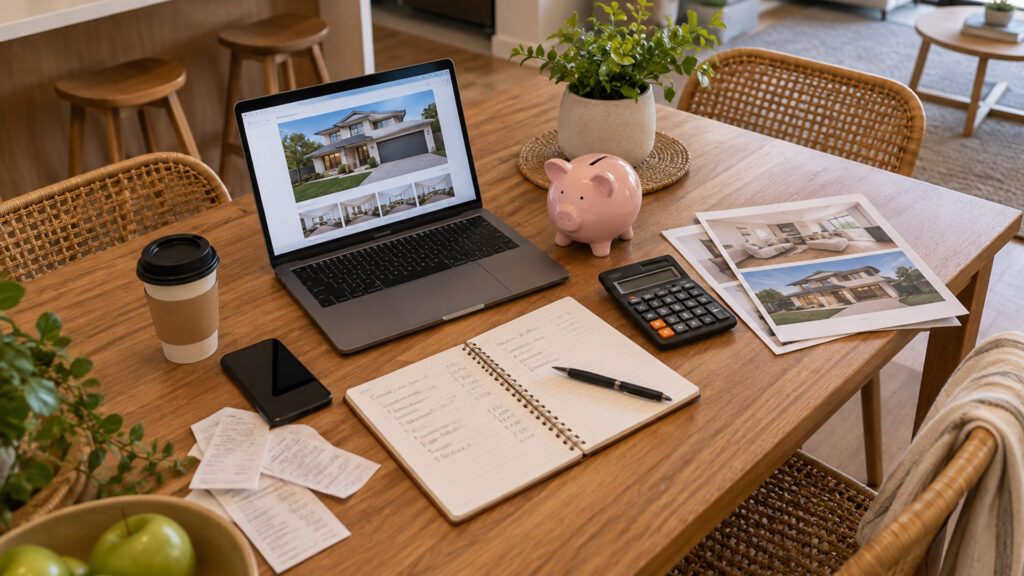
Buying your first home marks a thrilling milestone, yet it often entails a challenging journey, particularly when delving into the intricate realm of mortgages. As a first-time home buyer, understanding the ins and outs of mortgages is crucial to making informed decisions and securing the best deal possible.
In this comprehensive guide, we’ll explore everything you need to know about mortgages for first home buyers, focusing on how to apply for a loan, determining how much you can afford to borrow, and the importance of saving for a home loan.
How to Apply for a Loan as a First Home Buyer

The process of navigating the mortgage application can often feel overwhelming, yet with proper guidance, it transforms into a more manageable endeavour. One of the first steps in applying for a loan is finding a reputable mortgage broker to assist you. The expertise of a best mortgage broker is invaluable, providing access to a diverse selection of loan products customised to suit the specific needs of first-time home buyers.
LiveInvest stands out as a leading Australian property finance broker specialising in helping first home buyers secure their dream homes. LiveInvest has built a solid reputation as a reliable ally in the home buying journey, thanks to their wealth of experience and unwavering commitment to customer satisfaction.
When applying for a loan through LiveInvest or another reputable broker, you’ll receive personalised guidance throughout. A skilled mortgage broker will simplify the process and help you secure the best available terms.
How Much Can You Afford to Borrow?

Prior to embarking on the home-buying journey, it’s crucial to assess your financial standing to determine a realistic borrowing capacity. This assessment should encompass a thorough review of your income, expenses, and any outstanding debts.
A crucial tool in this process is the property investment calculator, which helps you estimate your borrowing capacity based on various factors such as income, expenses, and prevailing interest rates. LiveInvest offers access to advanced calculators that take into account your unique circumstances, providing accurate insights into your borrowing capacity.
While it may be tempting to borrow the maximum, consider your long-term financial goals and repayment ability. A mortgage broker can help balance buying your desired home with avoiding future financial strain.
How Much Do You Need to Save? Saving for a Home Loan as a First Home Buyer

Saving for a home loan deposit is often the biggest hurdle for first home buyers. However, with careful planning and discipline, it’s an achievable goal. Your savings goal depends on the property’s price, the lender’s requirements, and any government incentives or grants for first home buyers.
Lenders usually require a minimum 20% deposit to avoid costly Lenders Mortgage Insurance (LMI) for first-time buyers. However, options like guarantor loans or smaller deposits with LMI are available for those who haven’t saved the full amount.
Start by researching your desired property market and setting a realistic savings target. Reduce discretionary spending, open a dedicated savings account, and explore ways to increase income, such as extra work or selling unused items.
Types of Mortgages for First-Time Home Buyers

First-time homebuyers are presented with a range of mortgage options designed to cater to their specific needs and circumstances. Familiarising yourself with these different types of mortgages helps you in selecting the most suitable one for your particular situation.
1. Fixed-Rate Mortgages
A fixed-rate mortgage maintains a consistent interest rate over a set period, usually lasting from one to five years. This offers a stable and predictable monthly repayment schedule, simplifying budgeting and particularly benefits first-time buyers.
2. Variable-Rate Mortgages
Variable-rate mortgages experience changes in interest rates influenced by market conditions. While this can mean lower initial interest rates and repayments, it also carries the risk of higher rates in the future.
3. Split Rate Mortgages
Split rate mortgages allow borrowers to divide their loan into fixed and variable-rate portions, which balances stability and flexibility. This option provides some protection against interest rate fluctuations while still allowing for potential savings if variable rates decrease.
4. Low Deposit Mortgages
For first home buyers without a large deposit, low deposit mortgages provide an option with deposits under 20%. These loans frequently necessitate LMI but can significantly enhance the accessibility of homeownership for individuals with restricted savings.
5. Guarantor Loans
A guarantor loan involves a family member or friend using their property as security for your loan. This helps first home buyers who may lack a large deposit or sufficient income to qualify for a loan independently.
Conclusion
“Navigating mortgages as a first home buyer can be complex, but with the right guidance, it’s manageable. Partnering with a reputable mortgage broker like LiveInvest can simplify the process and help you find the best mortgage for your needs. By learning how to apply for a loan, assessing your borrowing capacity, and saving for a deposit, you’ll be well-prepared to start your journey to homeownership. Be sure to explore all available options carefully.