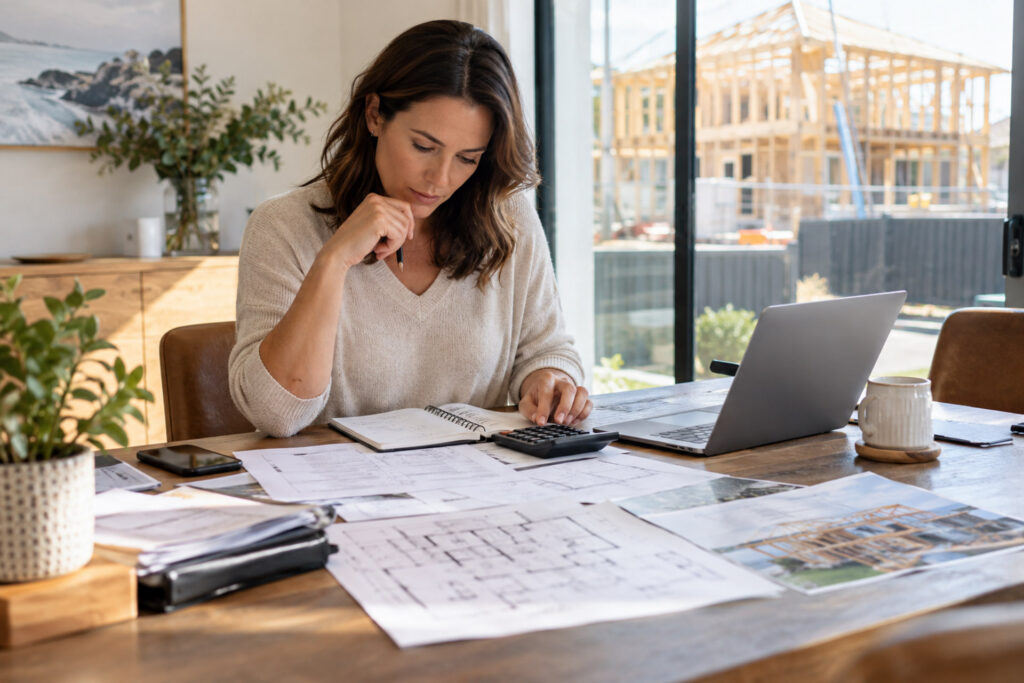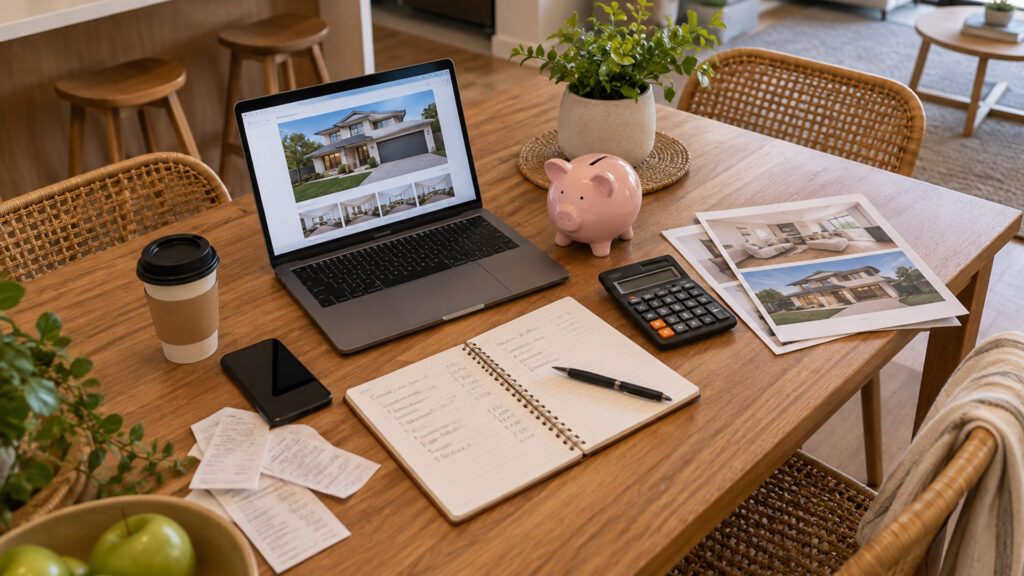
“Should I invest or buy my first home?” It’s one of the most common questions—and one of the most misunderstood. The decision to invest in or buy a first home in Australia is often treated as a simple comparison, but in reality, it’s far more complex than that.
Most buyers approach it by weighing up pros and cons, but that’s rarely where the real answer comes from. The bigger issue is how each option affects your position, both now and in the future.
Before deciding what to do, it’s worth understanding why this choice isn’t as simple as it seems—and where most people go wrong.
What Does “Investing vs Buying” Actually Mean?
Before comparing the two, it’s important to understand what each option actually involves. When people talk about whether to invest or buy a first home in Australia, they’re referring to two very different ways of entering the property market.
Buying your first home means purchasing a property to live in. It’s primarily a lifestyle decision, shaped by location, convenience, and stability. Investing, on the other hand, involves purchasing a property to rent out, with the focus on income, growth potential, and overall return.
While both involve property, the purpose behind each is different—and that difference influences everything that follows.
Why This Decision Isn’t as Simple as It Sounds
Most buyers approach this decision the wrong way. When deciding whether to invest or buy a first home in Australia, the instinct is to weigh up pros and cons—but that rarely leads to clarity.
The real difference isn’t just what you gain or give up. It’s how each option positions you moving forward. One path may limit flexibility, while the other can change how quickly you build momentum—but those effects aren’t always obvious at the start.
That’s why the decision feels confusing. It’s not because it’s complicated—it’s because it’s often framed incorrectly.
How Each Option Shapes Your Financial Position
The decision to invest or buy a first home in Australia doesn’t just affect what you purchase—it influences how your financial position develops over time.
Buying Your First Home
Buying your first home provides stability and access to certain government incentives. It establishes a base, but also ties your financial position to a specific location and budget, which can limit flexibility.
Investing First
Investing shifts the focus toward financial outcomes. It offers greater flexibility in where you buy, but it doesn’t come with the same support as owner-occupier loans and often requires a different level of planning.
Both options can lead to long-term outcomes—but they position you differently from the start.
The Trade-Off Most First-Time Buyers Don’t See
When deciding whether to invest or buy first home Australia, most buyers focus on immediate benefits. But the real trade-off lies in what each path enables—or limits—over time.
Buying your first home tends to offer:
- stability and control over where you live
- access to government incentives
- a straightforward entry into the market
Investing first tends to offer:
- flexibility in location
- potential to generate income differently
- a more strategy-driven entry point
At a glance, both paths can seem equally valid—but they lead to different starting positions. What’s often overlooked is that this decision isn’t permanent. Many first-time buyers eventually shift direction—selling, upgrading, or investing later as their situation evolves.
You’re not choosing a single outcome. You’re choosing how you enter the market—and that starting point shapes what comes next.
When Each Option Tends to Make More Sense
While there’s no single answer to whether you should invest or buy first home Australia, certain patterns tend to emerge.
Buying your first home may make more sense when:
- Lifestyle and stability are priorities
- You want to live in a specific location
- accessing government incentives matters
Investing first may be more suitable when:
- You’re priced out of your preferred area
- Flexibility matters more than location
- You’re focused on future positioning
These aren’t fixed rules—but they provide a useful way to think about how each option aligns with your situation.
How This Decision Shapes What Happens Next
The decision to invest or buy a first home in Australia doesn’t sit within the buying process—it shapes it. Before you even begin the steps in buying a house in NSW, this choice influences how the entire journey unfolds.
It affects borrowing capacity, loan structure, property selection, and location. What may seem like a simple decision early on can carry through each stage that follows.
That’s why many buyers feel uncertain. The process itself may be clear—but how it applies depends on the path you choose.
What you’ve seen here is the high-level view. To understand how this plays out in real scenarios, we’ve put together a free video series that walks through the full process step by step.
Sign up for the free video series to see how this decision applies to your situation.
Conclusion
Deciding whether to invest or buy first home Australia isn’t about choosing the “better” option—it’s about understanding which path aligns with your current position and what you want to achieve next.
Both approaches can work, but they lead to different starting points. Without that clarity, it’s easy to focus on surface-level differences and overlook how the decision shapes your longer-term direction.
By stepping back and understanding how each option fits into the bigger picture, you can move forward with more confidence and make better-aligned decisions.
If you want to understand which path fits you, the next step is to gain clarity about your situation.
Contact LiveInvest Today!
See Other Blogs: Home Loan Process Australia: What Most First Home Buyers Miss Before They Start
TL;DR
- The decision to invest or buy first home Australia isn’t about which option is better
- Most buyers get stuck by comparing pros and cons instead of understanding positioning
- Buying first focuses on stability and lifestyle
- Investing first focuses on flexibility and financial outcomes
- Each option shapes your financial position differently from the start
- This decision influences everything that happens next in the buying process
- The right choice depends on how each option fits your current situation
FAQ
It depends on your financial position and goals. Each option leads to different outcomes, so the right choice is based on how it fits your situation.
Buying your first home means living in the property, while investing involves renting it out. Each serves a different purpose and has a different financial structure.
Yes, it’s possible to invest first. However, this may affect access to certain first-home buyer benefits and should be considered carefully.
Neither option is inherently better. The outcome depends on how each aligns with your financial position and long-term plans.
Not always. Many buyers eventually upgrade, sell, or adjust their strategy as their circumstances change.
Disclaimer
This is general information only. This is not financial advice. Any examples are illustrative and may not suit your personal circumstances.